


Call Us :- 08045802946



 Send Inquiry
Textile Effluent Treatment Plant
Price 200000 INR/ Plant
MOQ : 1 Plant
Textile Effluent Treatment Plant Specification
- Material
- FRP
- Membrane Quantity
- no membranes required
- Application
- industrial and textile wastewater treatment
- Product Type
- Effluent Treatment Plants
- Technology
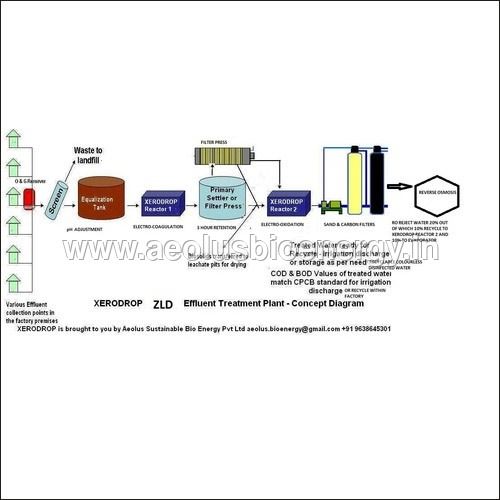
- Electro-Coagulation Electro Oxidation and Ozone non biological treatment
- Power Source
- AC
- Operation Type
- Semi Automatic
- Warranty
- 1 year
Textile Effluent Treatment Plant Trade Information
- Minimum Order Quantity
- 1 Plant
- Payment Terms
- Letter of Credit (L/C), Days after Acceptance (DA), Cheque
- Supply Ability
- 10 Plants, , Per Year
- Delivery Time
- Week
- Sample Policy
- Contact us for information regarding our sample policy
- Packaging Details
- skid mounted
- Main Domestic Market
- Himachal Pradesh, Andaman and Nicobar Islands, Uttarakhand, Daman and Diu, Dadra and Nagar Haveli, South India, East India, Andhra Pradesh, Assam, Arunachal Pradesh, Chandigarh, Nagaland, Goa, Jammu and Kashmir, Jharkhand, Karnataka, Maharashtra, Mizoram, Meghalaya, Manipur, Punjab, Pondicherry, Rajasthan, Sikkim, Tamil Nadu, Tripura, West Bengal, Lakshadweep, Uttar Pradesh, Haryana, Delhi, Gujarat, Madhya Pradesh, North India, Bihar, Telangana, Kerala, Central India, Odisha, West India, Chhattisgarh, All India
About Textile Effluent Treatment Plant
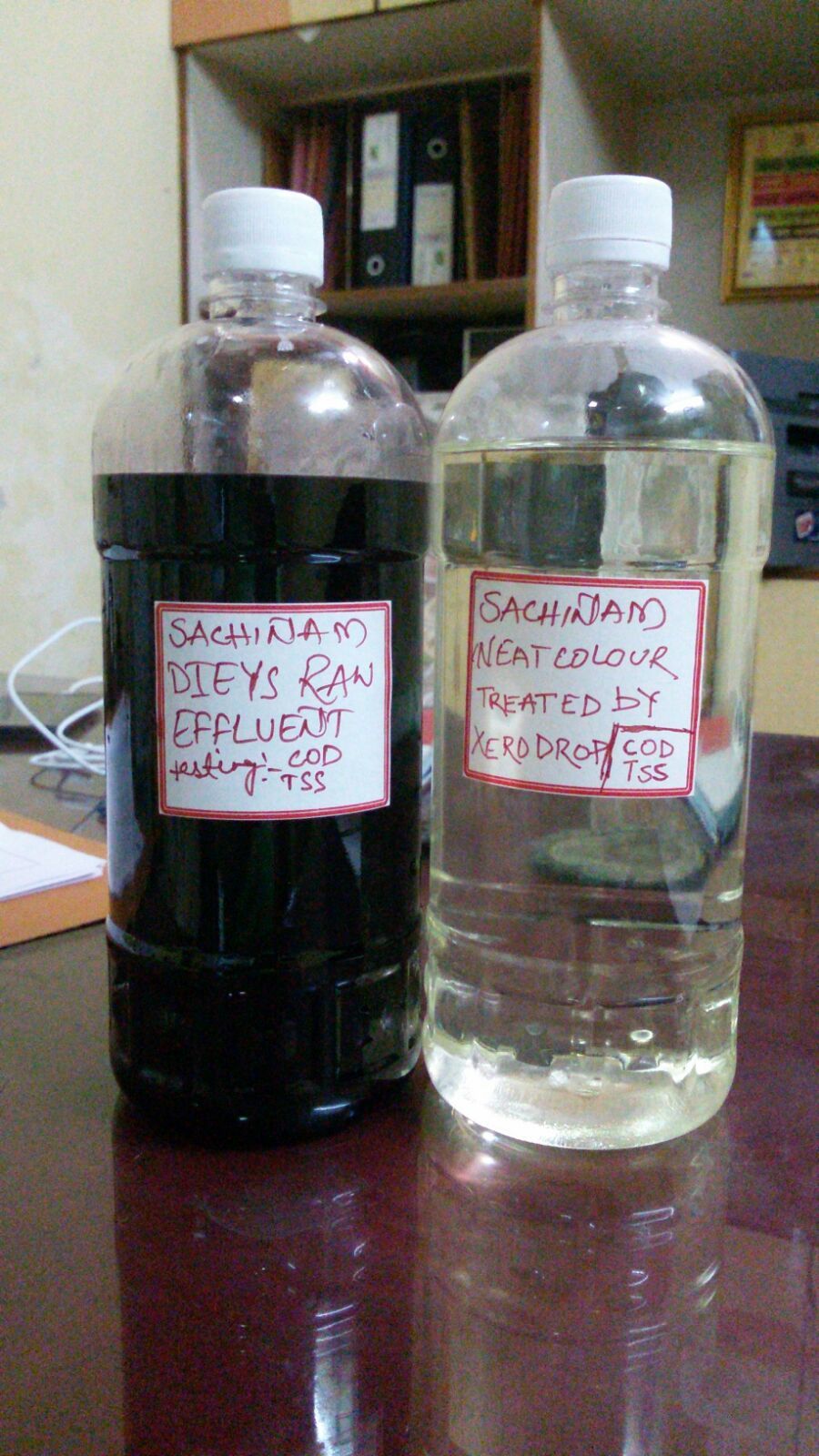
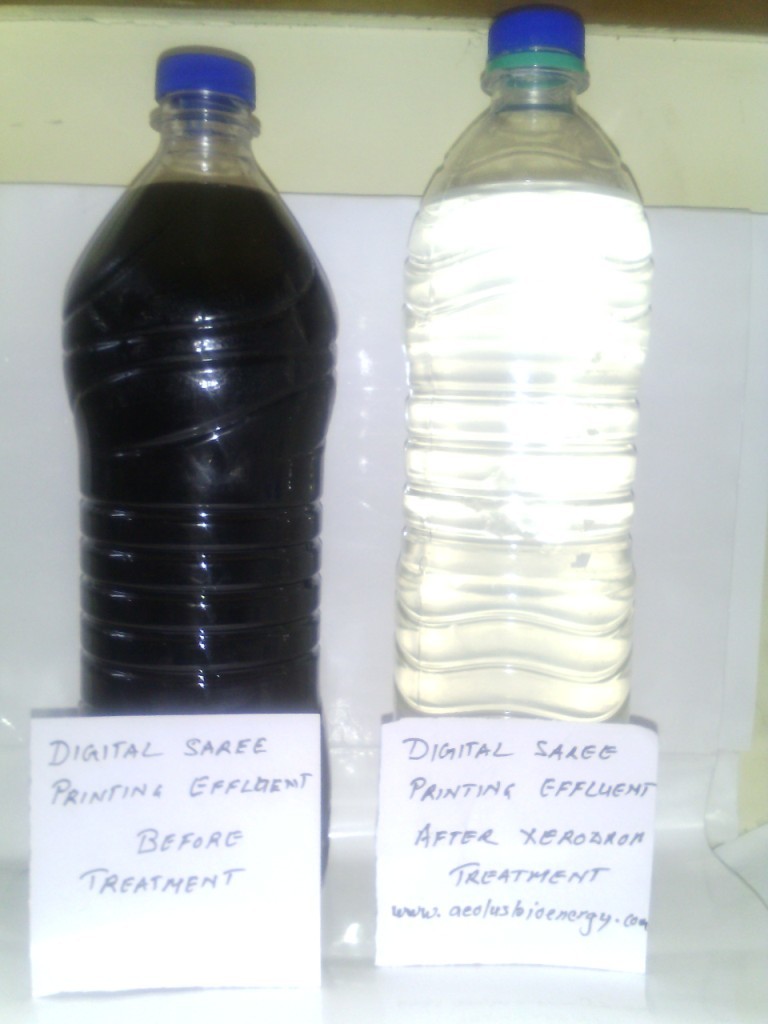
Just to let you know that your search for a perfect ETP/STP ends here with Xerodrop. Xerodrop is a non biological solution for Textile Effluent Treatment Plant.
XERODROP process is characterized by an effective removal of pollutants, compact size of the equipment, simplicity in operation, moderate capital and low operating cost.
XERODROP is a product with almost zero or negligible supervision to effectively treat highly recalcitrant effluents.XERODROP has also provided extra ordinary results in treating effluents such as that from pharmaceuticals, food processing units, Dairy, textiles and thermal power plants. XERODROP is engineered to follow toughest discharge norms!. The treated water is fit for entire non-potable requirements of industries as well as agriculture.
Introduction XERODROP Textile Effluent Treatment Plant:
- XERODROP is an innovative technology based on Electro-Chemistry, XERODROP is rapid acting, effective, appropriate and true value for money system
Advantages XERODROP ETP/STP:
- Offers most effective removal of pollutants - Always dependable!
- More than 90% water recovery for recycle and irrigation
- No pungent smell-no noise-no noxious gas emissions-compactsize-very small ENERGY & SPACE foot print
- No chemical addition-no alum / lime / ferrous addition
- No dependency on Bacteria- no culture-no activated sludge-no aeration-no membranes
- Simplicity in operations and reasonable O&M cost-true value for money!
- Low sludge generation
- Recovery of valuable nutrients from solid sludge- Additional revenue generation from waste
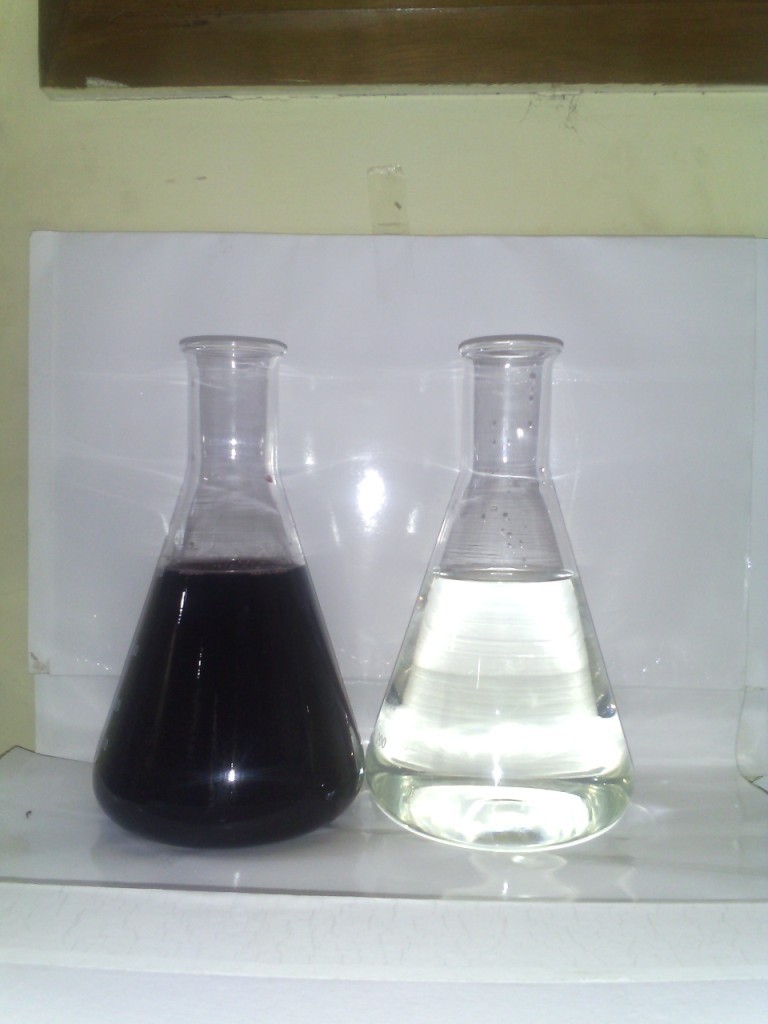
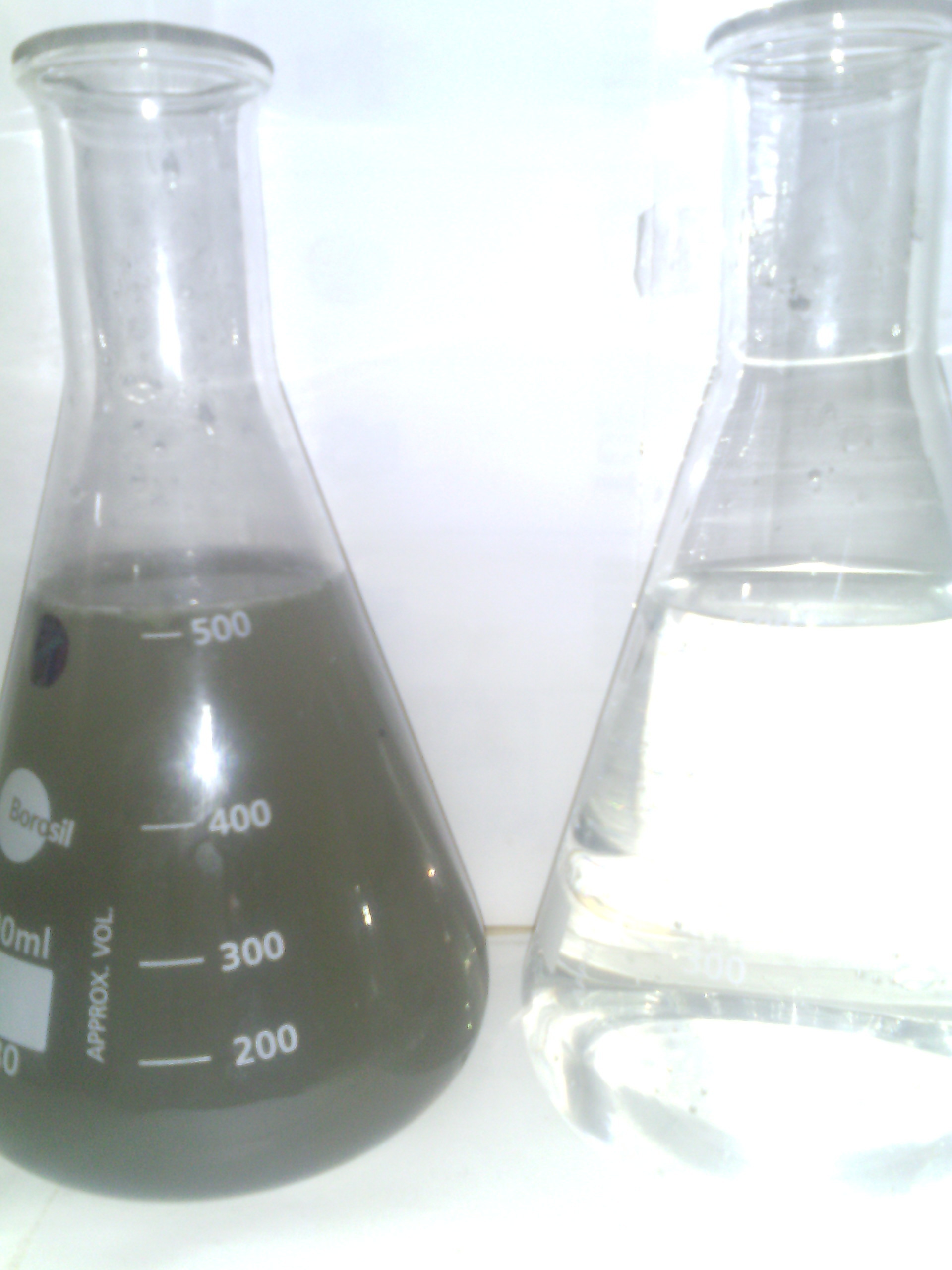
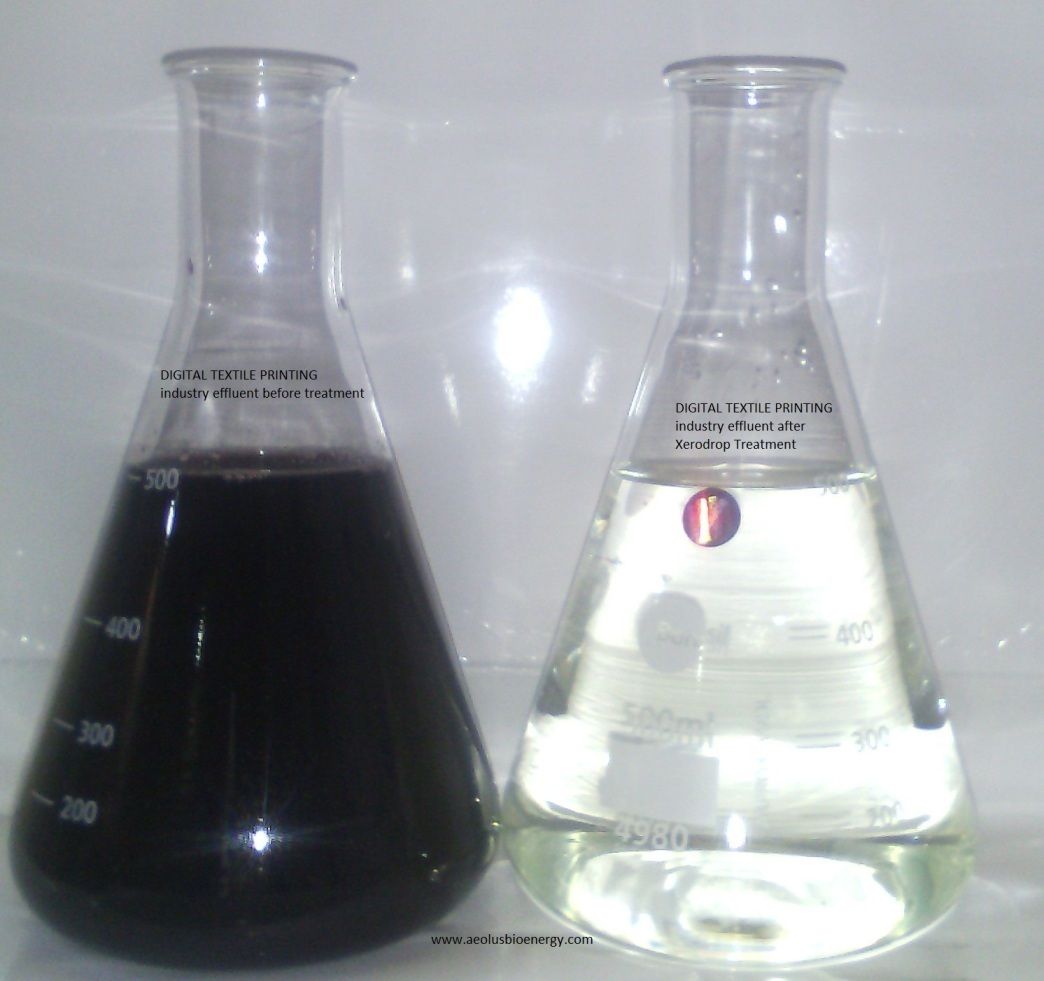
- Treated effluent is colorless, odorless and the BCOD of highly recalcitrant effluents are reduced to comply with stringent PCB norms for discharge.
- XERODROP can if required, well utilize most of the existing ETP/STP civil infrastructure after necessary modifications in case of upgrading existing ETP/STP.
Un-Comparable Advantages XERODROP ETP / STP:
- XERODROP ETP/STP is based on PLUG & PLAY system-very convenient
- Only raw material required is Electricity
- No Bacteria-and practically no chemicals
- No smoke-no heating-no incineration
What XERODROP ETP/STP offers to the Client?
- 100% assurance of meeting State PCB & CPCB discharge norms if plant is operated as per the set procedures.
- XERODROP has demonstrated settlement of extremely high COD values of Distillery spent wash-COD ~ 240000 ppm! Municipal waste TOD is never exceeding 800 ppm!
- Very few pumps and moving parts-hence very low maintenance expenses.
- XERODROP requires only electricity as raw material.
- Total and assured PEACE OF MIND for the management.Generated sludge is a rich fertilizer and micro nutrient supplement-extra revenue for the client!
- Modular & expandable plant construction
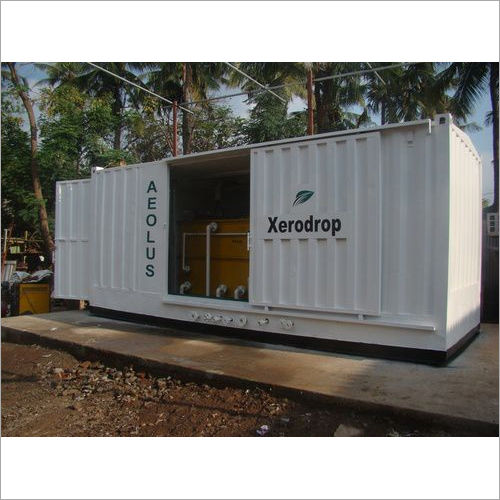
- Compact Skid mounted STP/ ETP are also offered.
Textile Effluent Treatment Plant Details:
| Industry | Sugar,Dairy,Pharma,Distillery,Paper mills,Leather,Chemical,Automobile |
| Water Source | Industrial Wastewater |
| Plant Type | Effluent Treatment Plant |
| Treatment Stages | Preliminary Treatment, Primary Treatment, Secondary Treatment, Disinfection |
| Automation Grade | Semi-Automatic |
| Capacity Inlet Flow Rate | 0.1 to 200 |
| Applicable Industry | Chemical/Petroleum, Slaughter House, Dyes & Chemical,Petroleum,Pharmaceutical & Intermediate,etc, Automobile, Hospital, Pharmaceutical |
| Installation Type | Containerized Plug & Play,Compact Non Biological ETP, Prefabricated |
| Material | FRP |
| Condition | New |
Advanced Non-Biological Treatment Technology
Our plant leverages cutting-edge electro-coagulation, electro-oxidation, and ozone treatment to effectively remove organic and inorganic contaminants from textile wastewater. These methods ensure high efficiency in pollutant breakdown without the complexity or maintenance demands of membrane systems.
Rugged FRP Construction for Longevity
Built with high-strength FRP (Fiber-Reinforced Plastic), this effluent treatment plant resists corrosion and harsh operating conditions typically found in industrial settings. This robust construction extends service life and ensures reliability over extended periods of continuous usage.
Simplified Semi-Automatic Operation
Designed for ease of use, this plant features a semi-automatic control system, minimizing the need for constant operator supervision. The streamlined interface and process automation allow for more consistent results and reduced labor costs.
FAQ's of Textile Effluent Treatment Plant:
Q: How does the Textile Effluent Treatment Plant operate without membranes?
A: This treatment plant utilizes electro-coagulation, electro-oxidation, and ozone-based processes to break down and remove contaminants in wastewater. Unlike traditional systems, it does not require membranes, minimizing maintenance and operational complexity while still achieving high purification efficiency.Q: What materials are used in constructing this effluent treatment plant?
A: The plant is constructed using FRP (Fiber-Reinforced Plastic), known for its excellent corrosion resistance and structural strength, making it ideal for harsh industrial environments and prolonging equipment durability.Q: When should a textile facility consider installing this treatment plant?
A: Facilities should consider installation when seeking compliance with local effluent discharge regulations or when aiming to improve their environmental footprint. It is especially suitable for new plants or those upgrading from older biological or membrane-based systems.Q: Where can this effluent treatment plant be deployed?
A: The system is designed for use in textile factories and industrial sites across India or similar environments that require reliable and efficient wastewater treatment without the need for biological processes or membranes.Q: What is the process flow followed by this treatment plant?
A: The plant uses a sequential flow of electro-coagulation to destabilize pollutants, followed by electro-oxidation and ozone treatment that further oxidize and remove organic and inorganic contaminants, resulting in cleaner effluent suitable for discharge.Q: What are the advantages of using electro-coagulation and ozone technology in this application?
A: These non-biological technologies achieve superior contaminant removal with lower chemical consumption and minimal sludge generation, offering a more sustainable and cost-effective alternative to traditional biological or membrane-based treatments.Q: How does a semi-automatic system benefit plant operators?
A: A semi-automatic system simplifies operation, reduces the need for constant manual supervision, and ensures more consistent treatment performance. This lowers operational costs and decreases dependency on highly trained personnel.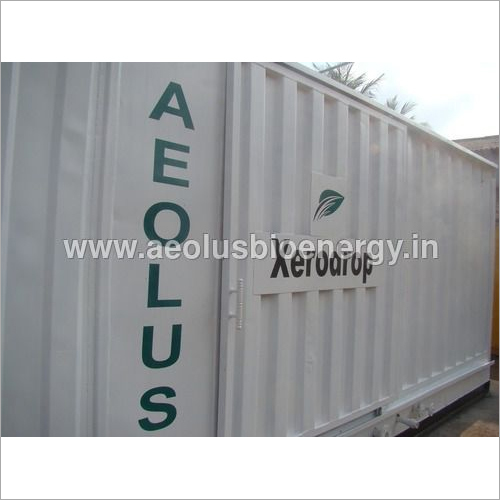
Tell us about your requirement

Price:
Quantity
Select Unit
- 50
- 100
- 200
- 250
- 500
- 1000+
Additional detail
Mobile number
Email

More Products in Effluent Treatment Plants Category
Electro-Coagulation Electro-Oxidation Electrolytic System from Aeolus
Price 200000 INR / Plant
Minimum Order Quantity : 1 Plant
Product Type : Effluent Treatment Plants
Operation Type : Semi Automatic
Power Source : Electric
Application : Waste Water Treatment, Effluent Treatment
Compact ETP STP
Price 200000 INR / Plant
Minimum Order Quantity : 1 Plant
Product Type : Other, ETP STP Compact Unit
Operation Type : Automatic
Power Source : Electric
Application : Sewage & Effluent Wastewater Treatment
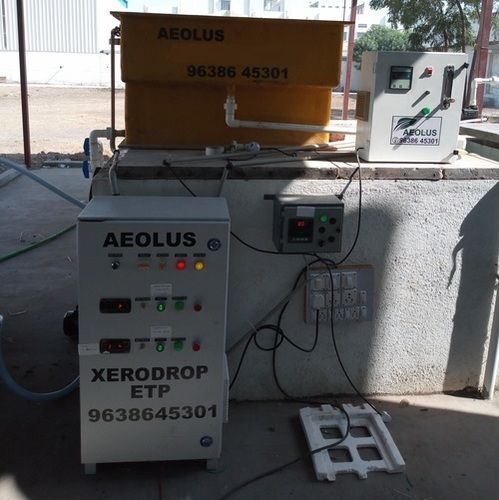
Paint and Dye Industry Effluent Treatment by Aeolus
Price 150000 INR / Plant
Minimum Order Quantity : 1 Plant
Product Type : Effluent Treatment Plants
Operation Type : Semi Automatic
Power Source : Electric
Application : Paint and dye industry effluent treatment
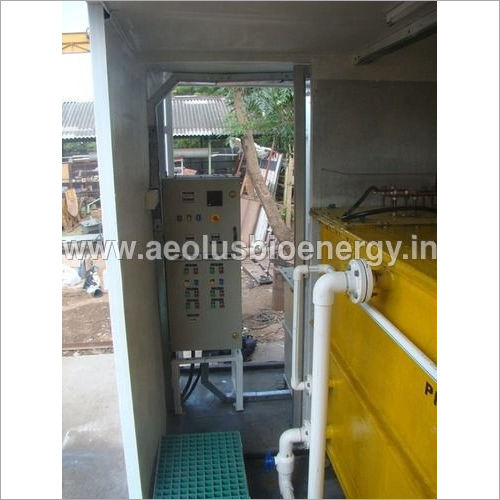
Fertilizer Industry Effluent Treatment
Price 366000 INR / Unit
Minimum Order Quantity : 1 Unit
Product Type : Effluent Treatment Plants
Operation Type : Semi Automatic
Power Source : AC
Application : complex and hazardous wastewater treatment

Contact Details
AEOLUS SUSTAINABLE BIOENERGY PVT. LTD.
GST : 24AAJCA8124F1ZW
GST : 24AAJCA8124F1ZW

- Lg-15, Dada Bhagwan Complex, Nh 8, Nr. Kamrej Char Rasta, Kamrej,Surat - 394185, Gujarat, India
- Phone : 08045802946
- Mr Niraj A Mithani (Director)
- Mobile : 08045802946
- Send Inquiry
 Send Inquiry
|


 Send Inquiry
 Send SMS
AEOLUS SUSTAINABLE BIOENERGY PVT. LTD.
All Rights Reserved.(Terms of Use)
Developed and Managed by Infocom Network Private Limited.
Developed and Managed by Infocom Network Private Limited.

